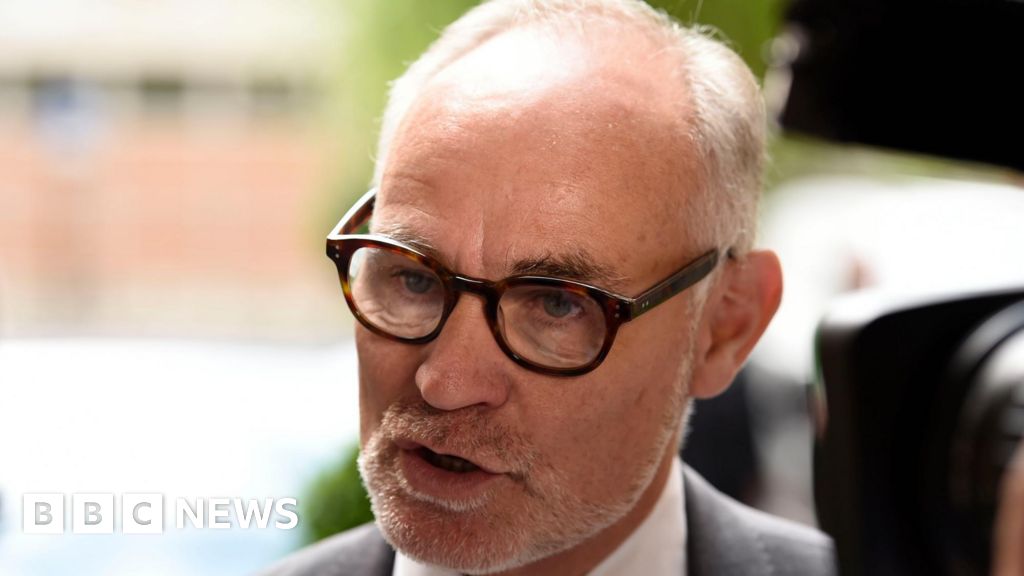
Former MP Crispin Blunt Charged: A Deep Dive into the Allegations
In news that has sent ripples through Westminster and beyond, former British lawmaker Crispin Blunt, 65, has been formally charged with drug offences. The Crown Prosecution Service (CPS) confirmed these significant developments, marking a pivotal moment in the legal journey of a figure who served as a Conservative Member of Parliament for over a quarter of a century. The announcement, made by Malcolm McHaffie, Head of the CPS Special Crime Division, outlines four distinct charges against Blunt, setting the stage for his initial court appearance on March 25.
The charges are specific and serious: one count of possessing a controlled drug of Class A and three counts of possessing a controlled drug of Class B. These classifications are crucial in the UK legal system, differentiating drugs based on their perceived harm and potential for abuse, with Class A drugs carrying the most severe penalties. This development follows a visit by police officers to Blunt's home in October 2023. Notably, this visit was stated to be in relation to a separate matter, suggesting the drug offences may have been discovered incidentally rather than being the original purpose of the police interaction.
For a detailed breakdown of the specific allegations and their legal context, you can refer to our companion piece, Crispin Blunt Faces Class A and B Drug Charges.
The Role of the Crown Prosecution Service (CPS)
The CPS plays a vital role in the English and Welsh criminal justice system, responsible for deciding whether to prosecute individuals who have been charged by the police. Their decision-making process is guided by two main tests: the evidential test and the public interest test. The fact that the CPS has decided to proceed with charges against Crispin Blunt indicates they believe there is sufficient evidence to provide a realistic prospect of conviction and that a prosecution is in the public interest. This rigorous process underscores the gravity of the situation.
Understanding UK Drug Classifications: What Crispin Blunt Faces
To fully grasp the implications of the charges against Crispin Blunt, it is essential to understand the UK's drug classification system. This framework, established under the Misuse of Drugs Act 1971, categorises controlled substances into three classes – A, B, and C – based on their perceived harm to individuals and society. The penalties for possession, supply, and production vary significantly depending on the class of the drug involved.
Class A Drugs: The Highest Severity
Class A drugs are considered the most dangerous and harmful. Possession of a Class A drug carries the most severe penalties, reflecting the law's view on their potential for addiction, harm, and societal impact. Examples of Class A drugs include:
- Cocaine: A powerful stimulant often associated with serious health risks and addiction.
- Heroin: A highly addictive opioid with severe physical and psychological consequences.
- Ecstasy (MDMA): While sometimes viewed as a party drug, it carries significant health risks, especially when impure or taken in high doses.
- LSD: A potent hallucinogen.
For possession of a Class A drug, individuals can face up to seven years in prison, an unlimited fine, or both. The charge of possessing one count of a Class A controlled drug against Crispin Blunt therefore represents a very serious legal challenge, carrying potentially life-altering consequences for the former MP.
Class B Drugs: Significant Harm Potential
Class B drugs are deemed less harmful than Class A but still pose significant risks. The three counts of possessing a Class B controlled drug against Blunt also carry substantial penalties. Common Class B drugs include:
- Cannabis: Though debates around its legal status continue, cannabis remains a Class B drug in the UK for the time being, with possession leading to potential arrest and prosecution.
- Amphetamines: Stimulants that can lead to addiction and various health problems.
- Codeine (in certain preparations): An opiate often found in prescription painkillers, but illegal possession without a prescription or in high doses can fall under Class B.
Possession of a Class B drug can lead to a prison sentence of up to five years, an unlimited fine, or both. The accumulation of three such charges only amplifies the legal pressures facing Crispin Blunt.
Understanding these classifications highlights the serious nature of the crispin blunt drug charges. The legal system treats these offences with significant weight, particularly when involving multiple classes of drugs.
The Political Backdrop: Crispin Blunt's Illustrious Career and Current Standing
Crispin Blunt's political career is both extensive and, until now, largely distinguished. Having served as a Conservative Member of Parliament for the Reigate constituency for over 25 years, he became a familiar face in British politics. Throughout his tenure, Blunt held various positions, including Parliamentary Under-Secretary of State for Prisons and Youth Justice under the coalition government, and later as Chair of the Foreign Affairs Select Committee. He was known for his independent streak and often outspoken views on a range of issues.
His decision to stand down at the upcoming July 2024 general election meant his parliamentary career was already drawing to a close. However, these drug charges cast a significant shadow over his legacy. For a public figure, particularly one who has held positions of responsibility and trust, allegations of drug offences can lead to severe reputational damage, regardless of the eventual legal outcome. The news has undoubtedly caused considerable concern within Conservative Party circles and among the wider public, raising questions about the conduct expected of those in public office.
The incident also opens up broader discussions about accountability and the scrutiny public figures face. While politicians are entitled to a private life, the law applies to everyone, and cases involving drugs often draw intense public interest due to the associated social and health implications. The crispin blunt drug charges will inevitably be discussed in the context of political ethics and the standards applied to those who serve in Parliament.
Navigating the Legal Process: What Happens Next for Crispin Blunt
The announcement of charges is just the initial step in what promises to be a complex legal journey for Crispin Blunt. His forthcoming appearance at court on March 25 marks a critical juncture in the proceedings. At this hearing, Blunt will typically be asked to enter a plea – either guilty or not guilty – to each of the four charges against him.
Stages of a Criminal Case in the UK
- First Appearance: The initial court date where the defendant attends, confirms their identity, and often enters a plea. For more serious offences or complex cases, this may be a 'pre-trial review' or 'case management hearing' to set out the next steps.
- Plea: If a 'guilty' plea is entered, the court may proceed to sentencing, either immediately or at a later date, depending on the complexity and need for pre-sentence reports.
- Trial: If a 'not guilty' plea is entered, the case will proceed to trial. This involves the prosecution presenting their evidence, followed by the defence. Witnesses may be called, and cross-examination will take place.
- Verdict: After hearing all evidence, a magistrate or jury (depending on the court) will deliver a verdict. If found guilty, a sentence will be passed.
It is crucial to remember that Crispin Blunt, like any individual facing criminal charges in the UK, is presumed innocent until proven guilty in a court of law. The legal process is designed to ensure a fair hearing, with due consideration of all evidence presented by both the prosecution and the defence. As the legal process unfolds, further details surrounding the Crispin Blunt's Drug Charges: Court Date Set March 25 will undoubtedly emerge.
Beyond the Headlines: Broader Implications and Support for Drug Offences
While the focus is currently on Crispin Blunt's individual case, the incident serves as a stark reminder of the broader implications of drug offences in society. Drug laws are in place to protect individuals from harm and to maintain public order. The consequences of drug use and possession extend beyond legal penalties, impacting health, families, and communities.
Understanding Drug Laws and Seeking Help
It's important for everyone to be aware of the UK's drug laws and the serious consequences associated with them. Ignorance of the law is not a defence. For those who may be struggling with drug use, or concerned about a loved one, help and support are readily available:
- NHS Services: The National Health Service (NHS) offers a wide range of services for drug addiction, including local drug and alcohol services that provide confidential advice, treatment, and support.
- Frank: The national drug education service FRANK offers confidential advice and support for anyone concerned about drugs. Their website (talktofrank.com) and helpline provide valuable resources.
- Local Support Groups: Organisations like Narcotics Anonymous (NA) offer peer support in a safe and understanding environment.
- Legal Advice: If facing drug-related charges, it is imperative to seek independent legal advice from a solicitor specialising in criminal law.
This situation underscores that drug laws apply universally, regardless of social standing or past achievements. The crispin blunt drug charges highlight that no one is above the law, reinforcing the principle of equality before the legal system.
The charges against former UK MP Crispin Blunt represent a significant development, bringing a prominent public figure into the criminal justice spotlight. With one count of possessing a Class A controlled drug and three counts of Class B controlled drugs, the severity of the allegations is undeniable. As he prepares to appear in court on March 25, the case will draw considerable public and media attention, not only for its legal ramifications but also for its broader implications regarding accountability in public life. The legal process will now unfold, meticulously examining the evidence and ensuring justice is served under the UK's robust legal framework. This case serves as a powerful reminder of the pervasive reach of drug laws and their application to all citizens.