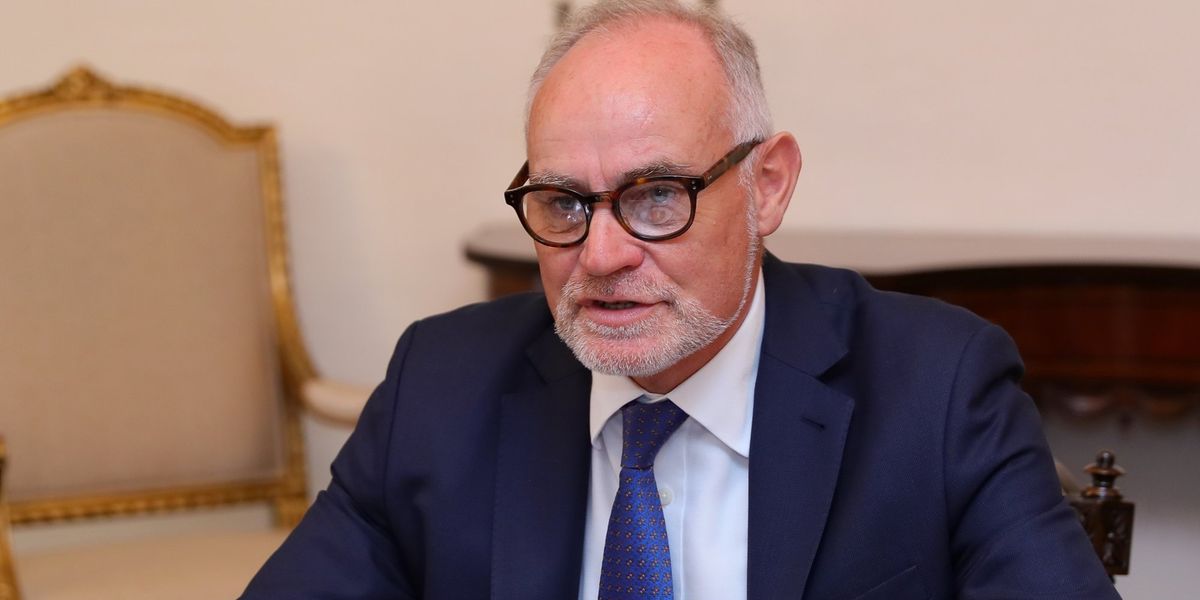
Former MP Crispin Blunt Set to Appear in Court on Drug Charges
The political landscape has been stirred by the news that Crispin Blunt, a prominent former British lawmaker, is scheduled to appear in court on March 25 to face drug offences. This development follows charges brought against him by the Crown Prosecution Service (CPS), stemming from an investigation initiated after a police visit to his home in October 2023 concerning an unrelated matter. The charges against the 65-year-old former Conservative MP mark a significant moment, raising questions about accountability for public figures and the intricacies of the UK's drug laws. The announcement has drawn considerable attention, particularly given Blunt's extensive parliamentary career spanning over two and a half decades.
As the court date approaches, the details surrounding the allegations have become clearer. Malcolm McHaffie, Head of the CPS Special Crime Division, confirmed that Blunt faces four distinct drug offences: one count of possessing a controlled drug of Class A and three counts of possessing a controlled drug of Class B. These charges place the former MP in a serious legal position, necessitating a closer look at what these classifications entail within the UK legal framework.
The Allegations: Delving into Class A and Class B Charges
Understanding the gravity of the charges against Crispin Blunt requires an appreciation of the UK's drug classification system. The Misuse of Drugs Act 1971 categorises controlled substances into three classes – A, B, and C – based on their perceived harm. The penalties for possession, supply, and production vary significantly across these classes, with Class A drugs carrying the most severe repercussions.
- Class A Drugs: These are considered the most dangerous and harmful substances. Examples include crack cocaine, ecstasy (MDMA), heroin, LSD, magic mushrooms, and cocaine. Possession of a Class A drug can lead to up to seven years in prison, an unlimited fine, or both. For supply or production, the maximum penalty is life imprisonment, an unlimited fine, or both. The single count of possessing a Class A controlled drug is undoubtedly the most serious charge Blunt faces.
- Class B Drugs: These drugs are deemed less harmful than Class A but still carry significant risks and legal consequences. Common Class B drugs include amphetamines, barbiturates, cannabis, ketamine, and synthetic cannabinoids. Possession of a Class B drug can result in up to five years in prison, an unlimited fine, or both. Supply or production can lead to up to 14 years in prison, an unlimited fine, or both. The three counts of possessing a Class B controlled drug contribute significantly to the overall legal challenge for Crispin Blunt.
The distinction between these classes is not merely bureaucratic; it reflects societal and legal assessments of risk and harm. For someone in Blunt's position, facing both Class A and Class B charges amplifies the potential legal ramifications and public scrutiny. For more detailed information on the specific nature of these charges, you can refer to Crispin Blunt Faces Class A and B Drug Charges.
The Unfolding Timeline: From Police Visit to Court Summons
The journey to Crispin Blunt's March 25 court date began in October 2023. Police officers visited his home in relation to what has been described as a "separate matter." It's crucial to understand that the initial police presence was not directly related to drug offences. Often, such visits can stem from various inquiries – welfare checks, unrelated investigations, or reports of other incidents. It was during this separate inquiry that the alleged drug offences came to light, leading to the subsequent investigation and charges.
The Crown Prosecution Service, responsible for prosecuting criminal cases investigated by the police in England and Wales, then reviewed the evidence gathered. Their decision to charge Blunt underscores a belief that there is sufficient evidence to provide a realistic prospect of conviction and that prosecution is in the public interest. This process highlights the meticulous nature of legal proceedings, where evidence is scrutinised before formal charges are laid. The gap between the October 2023 visit and the official charge announcement allows for thorough investigation, forensic analysis, and legal consultation, ensuring due process is followed.
Crispin Blunt's Distinguished Political Career and Its Current Juncture
Crispin Blunt is not an unfamiliar name in British politics. Having served as a Member of Parliament for the Conservative Party for more than 25 years, his career has been marked by significant contributions and public service. He represented the Reigate constituency from 1997, holding various roles within government and opposition, including Under-Secretary of State for Prisons and Probation. His long tenure speaks to a deeply entrenched understanding of the political system and public policy.
However, Blunt had already announced his decision to step down as an MP at the upcoming July 2024 general election. This decision to retire from parliamentary life adds a complex layer to the current situation. While the charges pertain to alleged actions outside his official duties, the timing coincides with his departure from formal politics, raising questions about his legacy and the end of a long career under a cloud of legal contention. For a broader overview of the situation, including initial reports, consider reading Former UK MP Crispin Blunt Charged with Drug Offences.
The case serves as a stark reminder that public figures, regardless of their past achievements or current status, are not exempt from the law. The scrutiny faced by individuals in such positions is often intense, and the implications of legal proceedings can extend far beyond the courtroom, impacting reputation, public perception, and historical legacy.
Navigating the Legal System: What to Expect on March 25
The March 25 court date will mark the initial formal appearance for Crispin Blunt. At this hearing, he will typically be asked to enter a plea – either guilty or not guilty – to the charges. The specifics of the hearing will depend on his plea and any preliminary applications from the legal teams involved.
Here’s a general outline of what might happen and the potential legal pathways:
- Plea: If a guilty plea is entered, the court may proceed to sentencing immediately, or adjourn for pre-sentence reports to be prepared, particularly given the seriousness of the Class A drug charge.
- Not Guilty Plea: If Crispin Blunt pleads not guilty, the case will be adjourned for a trial. The trial date could be months away, involving a full presentation of evidence by the prosecution and defence.
- Case Management: Regardless of the plea, the court will likely set out a timetable for future hearings, disclosure of evidence, and other procedural steps.
- Potential Outcomes:
- Acquittal: If found not guilty after a trial.
- Sentencing: If found guilty or pleads guilty, the sentence could range from a conditional discharge, a fine, a community order, or, given the nature of the charges, a custodial sentence (imprisonment). The judge will consider various factors, including the quantity of drugs, intent (possession for personal use versus supply), any previous convictions, and mitigating circumstances.
It's important to remember that every individual is presumed innocent until proven guilty, and the legal process is designed to ensure a fair hearing. The public nature of this case means that proceedings will likely attract considerable media attention, further highlighting the intersection of law, politics, and public interest.
Conclusion
The upcoming court appearance of Crispin Blunt on March 25 on drug charges is a significant event, casting a spotlight on the legal responsibilities of individuals, even those with long and distinguished public careers. The charges, encompassing both Class A and Class B controlled drugs, carry serious implications under UK law. As the legal process unfolds, the case will undoubtedly be watched closely, not just for its specific outcome but also for the broader conversations it sparks about accountability, drug policy, and the challenges faced by public figures under intense scrutiny. This situation serves as a powerful reminder that the rule of law applies to all, and the legal system remains a critical pillar of society, upholding justice irrespective of an individual's background or former status.